How to Market Your Audio Guide App: 6 Proven Strategies to Boost Downloads & Engagement
If you’ve invested time and passion into creating an audio guide app, you already know the content is valuable. But great content alone doesn’t guarantee downloads. Getting your app in front of the right visitors — at the right moment — requires a focused marketing strategy.
At Locatify, we work with museums, heritage sites, tourism boards, and cultural attractions around the world to build and grow successful audio guide apps. Here are the six marketing strategies we recommend to our clients to increase visibility, drive downloads, and turn visitors into engaged users.
1. Optimise Your App Store Listing (ASO)
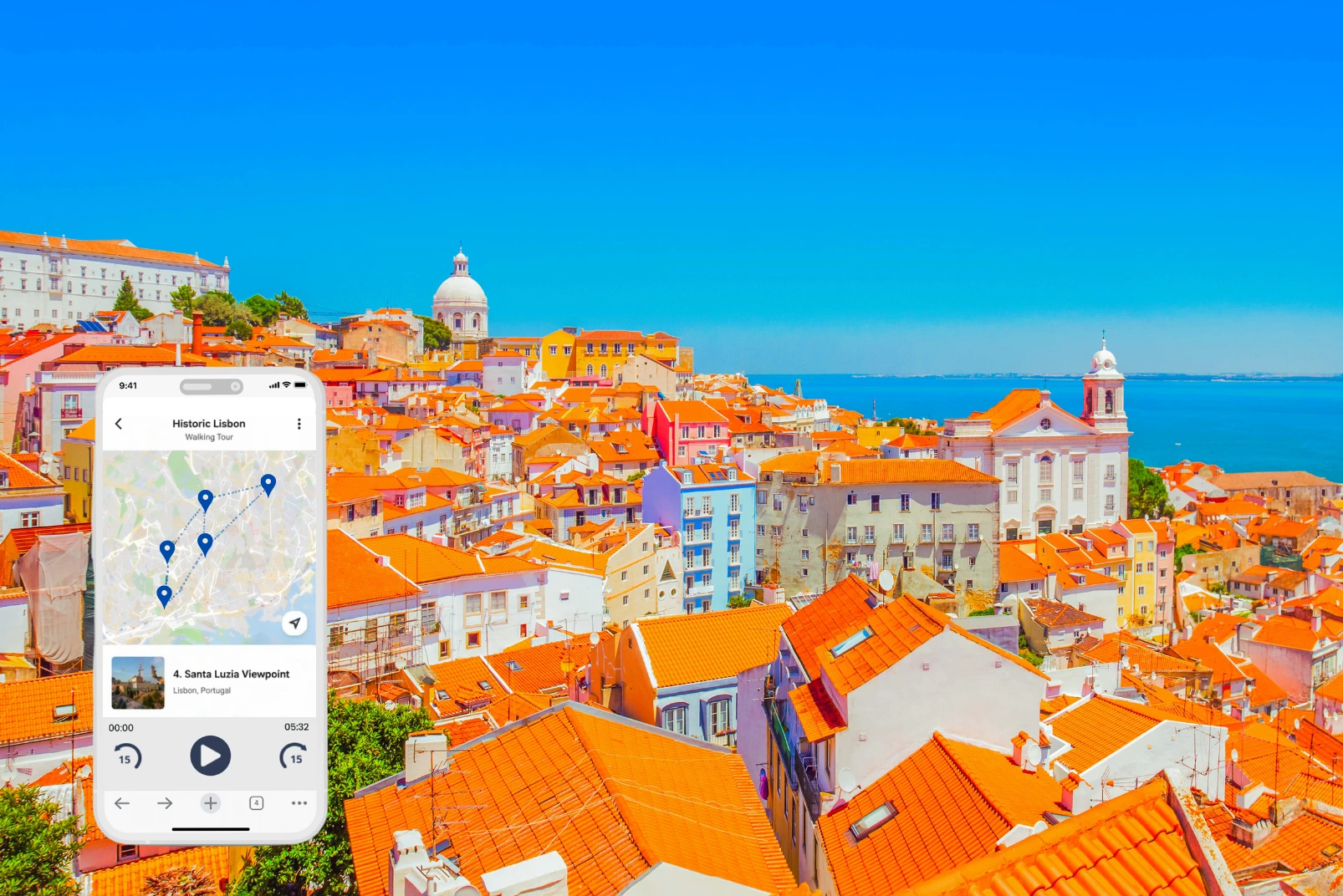
App Store Optimisation (ASO) is the foundation of any audio guide app marketing strategy. Just like SEO for websites, ASO helps your app get discovered organically in the App Store and Google Play.
What to focus on:
- Use clear, keyword-rich titles and descriptions (e.g. “Audio Guide App for [Your City/Museum]“)
- Include high-quality screenshots that show the app experience
- Consider a short preview video that demonstrates the visitor experience, and test whether it improves your listing’s conversion rate
- Encourage satisfied visitors to leave reviews, as ratings directly affect ranking
A well-optimised listing may help more interested visitors find and download the guide — without spending a cent on ads.
2. Use QR Codes On-Site
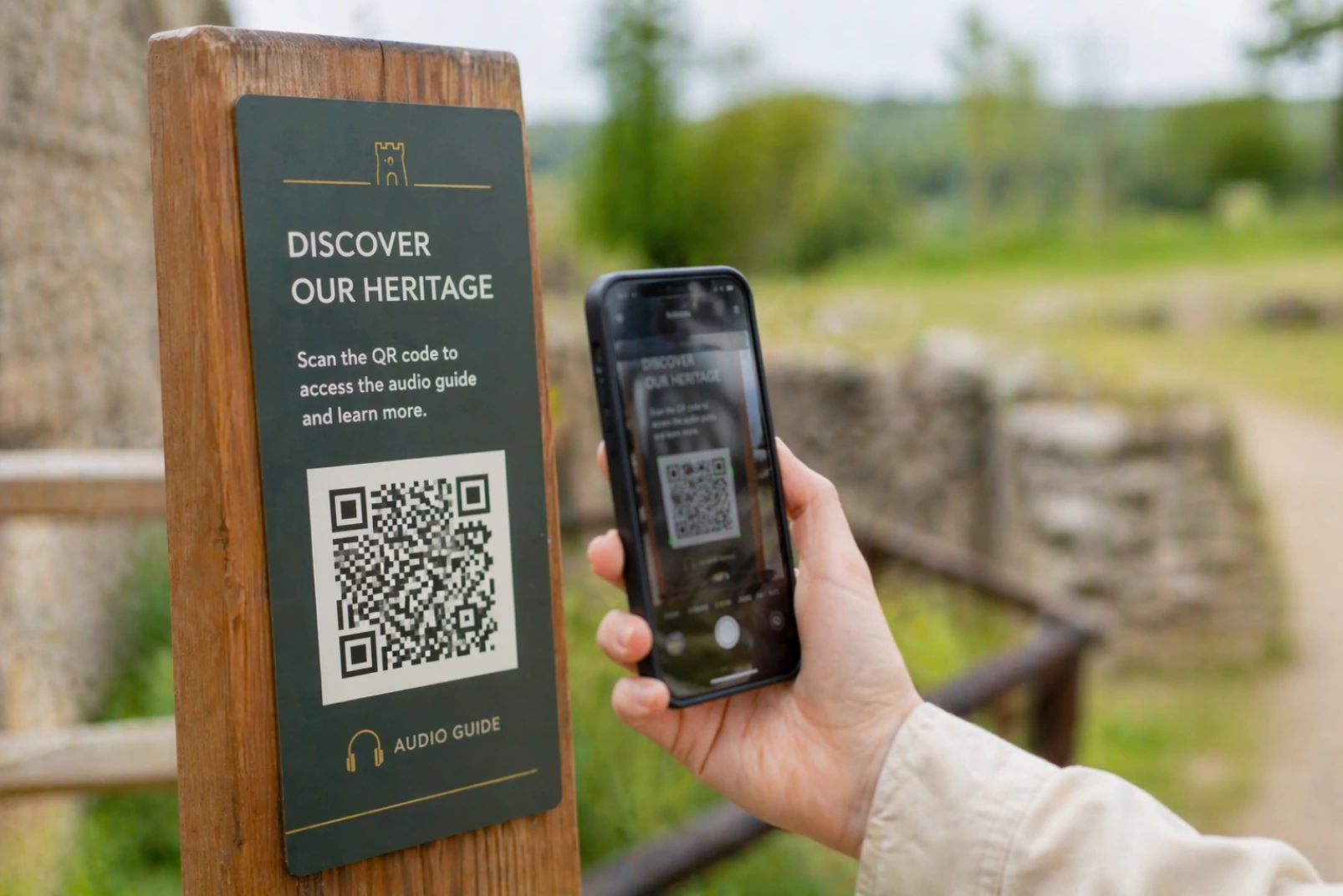
One practical way to help visitors discover an audio guide is placingQR codes at the physical location itself. Visitors who are already standing at your entrance, reading your signage, or browsing your brochure rack are your most motivated audience — they just need a frictionless way to download.
Where to place QR codes:
- Entrance gates and ticket desks
- Printed brochures and leaflets
- Information signs and display boards
- Posters in waiting areas or lobbies
Linking QR codes directly to the app download page (or a smart link that detects iOS vs Android) can reduce the steps between noticing the guide and opening its download page.
3. Partner with Local Tourism Networks
Your app doesn’t have to market itself in isolation. Local tourism partnerships are one of the most cost-effective ways to extend your reach to visitors who are actively planning a trip.
Partnership opportunities to explore:
- Local and regional tourist offices — ask to be listed in official guides and maps
- Hotels and guesthouses — provide printed cards or flyers for reception desks
- Tour operators and travel agencies — offer the app as a recommended self-guided experience
- Visitor centres and information kiosks — get featured on their digital screens or leaflet displays
Being recommended by a trusted local source gives your app instant credibility with new visitors.
4. Leverage Social Media and Short Video
Short-form video is one of the most powerful and affordable marketing tools available today. Platforms like Instagram Reels, TikTok, and YouTube Shorts reward engaging content with organic reach — meaning you can attract thousands of views without a paid budget.
Content ideas for audio guide apps:
- A 30-second teaser of a fascinating stop on the tour
- Behind-the-scenes footage of how the audio guide was created
- Visitor reactions and testimonials
- “Did you know?” facts from the tour script
Pair your video content with relevant hashtags (#audioguide #selfguidedtour #[YourCity]tourism) and geotag your location to reach people searching for things to do in your area.
5. Reach Out to Travel Bloggers and Local Press
Earned media — coverage from journalists, bloggers, and influencers — carries far more trust than paid advertising. A single feature in a well-read travel blog or local newspaper can drive a sustained spike in downloads.
How to get coverage:
- Write a short, compelling press release about the app and what makes it unique
- Identify travel writers and bloggers who cover your region and pitch them a free trial
- Reach out to local radio and TV stations, especially around launch or anniversaries
- Submit the app to “things to do in [city]” roundups and listicles
Even a mention in a niche travel newsletter can bring in a highly targeted audience that converts well.
6. List Your App on Google Maps and TripAdvisor
Millions of travellers use Google Maps and TripAdvisor to research destinations before and during their visit. Adding your audio guide app link to your venue’s profiles on these platforms puts it directly in front of high-intent users.
What to do:
- Add a link to the app (or your app landing page) in your Google Business Profile
- Mention the audio guide in your TripAdvisor listing description
- Respond to reviews and mention the app as a way to enhance the visit
- Add the app to your venue’s website with a clear call-to-action button
These platforms act as permanent, high-traffic discovery channels — and they’re free to use.
Start Small, Stay Consistent
You don’t need to implement all six strategies at once. Start with the ones that match your resources — even adding QR codes on-site and optimising your App Store listing can make a meaningful difference. The key is consistency: keep your profiles updated, stay active on social media, and regularly ask happy visitors for reviews.
At Locatify, we build audio guide and tour app solutions that are designed to be discovered. Whether you’re a museum, a heritage trail, a city tourism board, or a cultural attraction, our platform gives you the tools to create a compelling visitor experience — and the support to help you grow it.
Ready to take your audio guide app to the next level? Get in touch with the Locatify team to learn how we can help you build, launch, and market your app.