Solve Now, or Solve Later: More Flexibility for Players
For a while now, we’ve been thinking about how to give game creators more control over the pace of their experience — and more importantly, how to give players more freedom in how they engage with challenges.
That thinking has turned into a new feature: Solve Challenge Later.
What’s changing
Until now, most games have followed a simple rule: reach a location, solve the challenge, move on. That works well for many games — especially ones with a tight narrative or sequence. But it doesn’t fit every experience.
With this update, game creators can choose between two modes:
- Solve challenge right away — the classic flow. Players complete each challenge as they unlock it, before continuing.
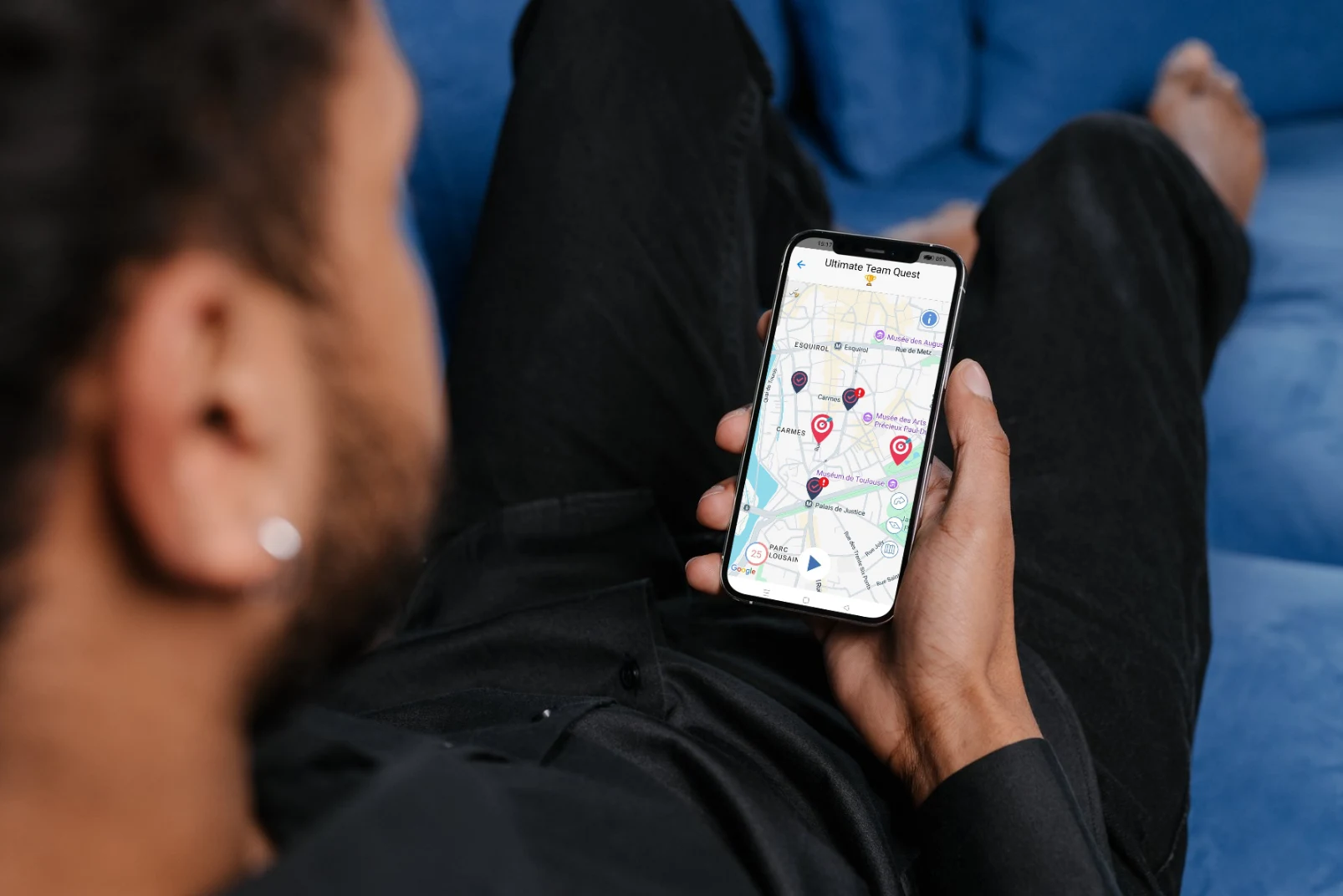
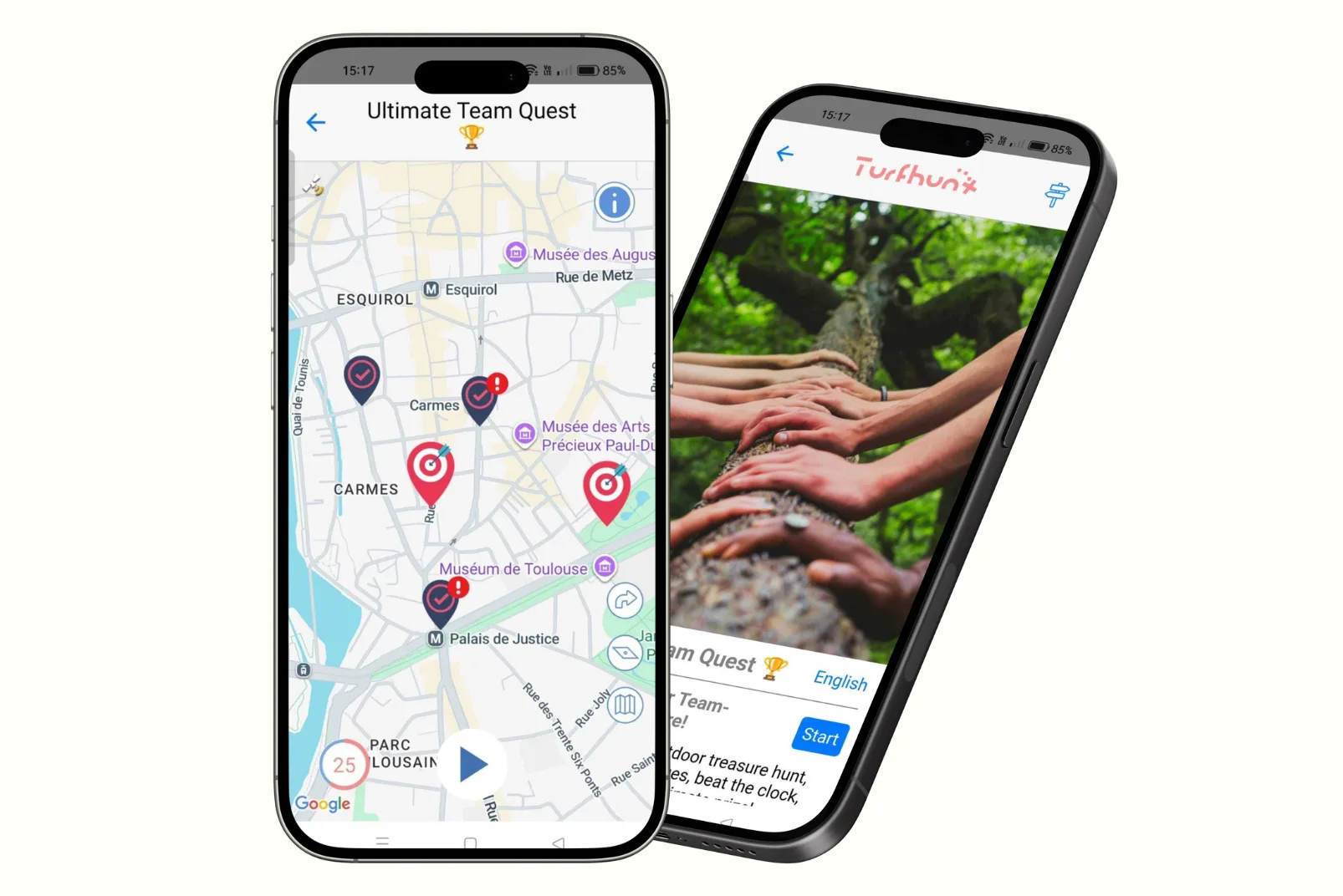
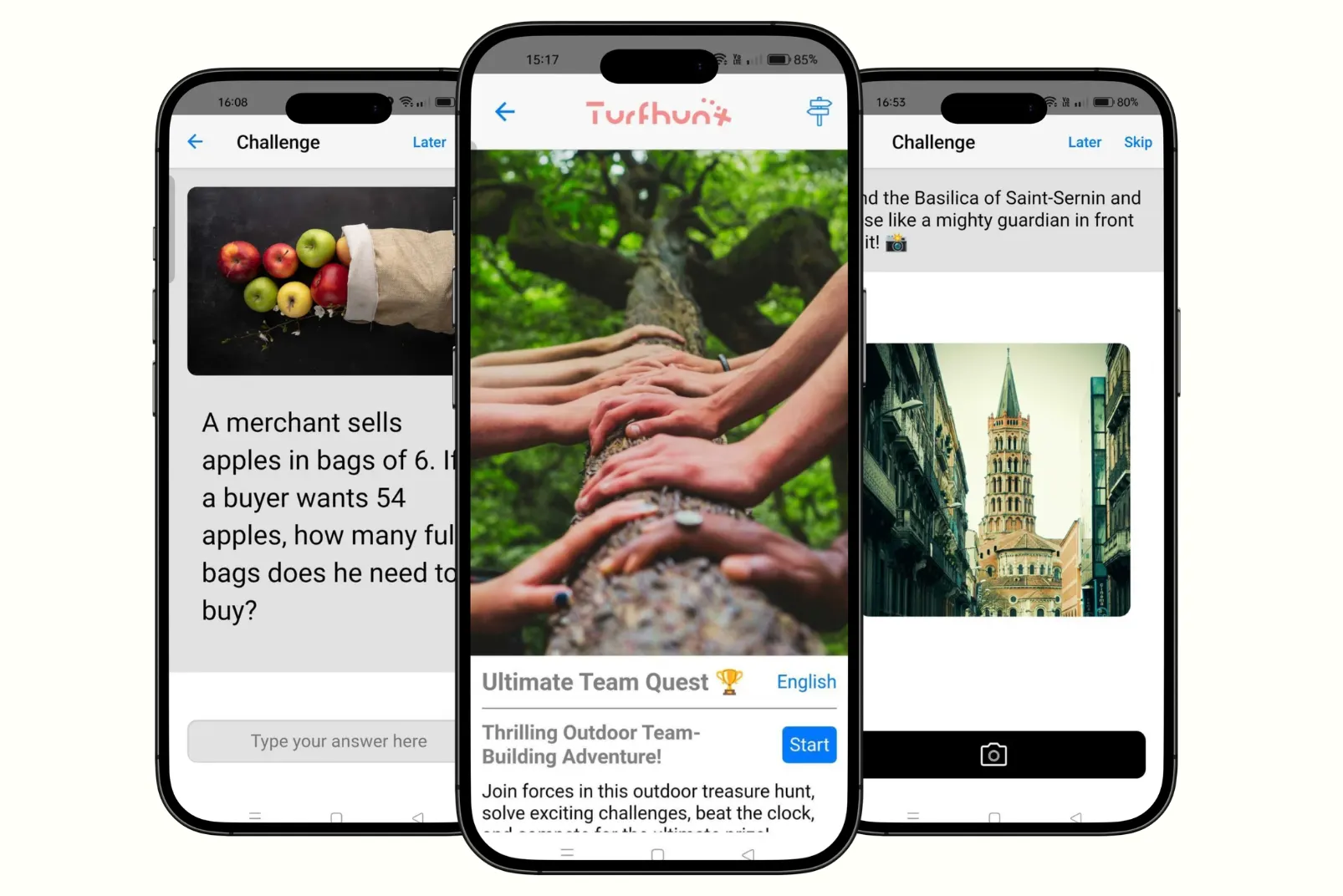
- Solve challenge later — players can view a location’s challenges, then leave and come back to complete them whenever suits them best. An exclamation mark keeps track of anything still unfinished, so nothing gets forgotten.
In the Locatify Builder
Go to Publish Settings, find “Solving Challenges,” and choose either Solve challenge right away or Solve challenge later. Check the tooltip for more details.
Why this adds versatility
Depending on the type of game, letting players revisit challenges later opens up a lot of creative possibilities — especially for challenges that require a bit of preparation, timing, or coordination that isn’t always possible in the moment.
A few examples:
- Costume or prop photo challenges — a challenge might ask players to take a themed photo in costume, or holding a specific object. Rather than forcing that on the spot, players can scout the location first, then come back dressed and ready.
- Team-based challenges — some challenges are more fun (or only possible) with the full group present. If part of the team is elsewhere, players can note the challenge and return once everyone’s together.
- Weather- or light-dependent challenges — outdoor or photo-based challenges sometimes depend on the right conditions, like better lighting or drier weather. Saving the challenge for later means players aren’t stuck waiting around, and can plan a return visit instead.
- Research or riddle-style challenges — some puzzles benefit from a bit of time to think, or a chance to gather information elsewhere in the game before coming back with an answer.
- Multi-location scavenger elements — if a challenge depends on something found at another location, players can leave it open, continue exploring, and return once they have what they need.
In all these cases, the goal is the same: give players room to explore the game at their own rhythm, without being blocked from progressing just because one challenge isn’t ready to be solved yet.
Available now
This feature was originally developed for 603 History Hunt, and is now available in TurfHunt. 603 History Hunt is a great example of how giving players the option to pace their own challenge-solving can make an experience feel more like an open exploration — and less like a checklist.
This feature is currently available for outdoor treasure hunt games, with support for indoor games coming soon — including as part of our upcoming new indoor UI. Stay tuned!