Wedding Scavenger Hunt Ideas: From Engagement Parties to Anniversary Celebrations
Weddings bring together people who would not otherwise be in the same room. Family members from different branches, colleagues who have never met the couple’s childhood friends, partners of guests who know no one outside their plus-one relationship — the social architecture of a wedding reception is, by design, challenging. Most reception formats address this by providing a shared focal point: speeches, dances, dinner service. These work, but they work passively. A scavenger hunt is one of the few wedding reception formats that turns the social challenge of a mixed guest list into its own entertainment.
The case for scavenger hunts extends across the full wedding event calendar — not just the reception. Engagement parties, bridal showers, bachelorette weekends, destination wedding activities, and milestone anniversaries are all occasions where the format delivers something that conventional programming cannot: active participation, cross-group interaction, and a shared narrative that becomes part of the event’s story. This guide covers each of these occasions in turn, with specific format recommendations and design principles for each.
Why Scavenger Hunts Belong at Wedding Events
The social dynamic that makes weddings joyful also makes them logistically complex. A reception guest list of a hundred and twenty people contains dozens of micro-social groups with no natural points of intersection. Seating arrangements help, but they solve the problem for dinner and create it again at every other moment of the event. A scavenger hunt solves it more completely: mixed teams with a shared objective require interaction by design, rather than hoping for it organically.
Research on social bonding consistently finds that shared challenge and mild time pressure accelerate connection between strangers more effectively than conversation alone. A wedding scavenger hunt is essentially a designed application of this principle — guests who would have spent the cocktail hour exchanging polite small talk instead spend it collaborating, debating clue interpretations, and navigating a venue together. The connection formed in forty-five minutes of a well-designed hunt is qualitatively different from the connection formed in forty-five minutes of open networking.
Beyond the social function, scavenger hunts produce artifacts. The photo submissions, the video missions, the creative tasks completed during a wedding hunt become a record of the event that complements — and sometimes surpasses — the official photography in its spontaneity and emotional texture.
Engagement Party Scavenger Hunts
The engagement party is the first time many guests meet as a group assembled around the couple. It is also often the occasion with the most social anxiety — guests who know one half of the couple but not the other, family members meeting for the first time, friends from different eras of the couple’s life encountering each other with only the engagement as common ground.
A scavenger hunt built around the couple’s story is the most natural format for this occasion. Challenges that ask teams to recall how the couple met, identify photographs from different periods of their relationship, or answer questions about each partner’s history give every guest something to work with — those who know the couple well have an advantage; those who do not learn something in the process of playing. The hunt itself becomes an introduction to the relationship’s narrative.
Keep the format light and accessible for engagement parties. Fifteen to twenty challenges over forty-five minutes is a sufficient structure; the goal is to break the ice and create shared energy, not to produce an exhaustive competitive event. A virtual or indoor photo mission format works well regardless of venue size, and TurfHunt’s quiz and challenge builder allows the organizer to build the entire experience in the app without printed materials or physical setup beyond communicating the team assignments.
Bridal Shower and Bachelorette Scavenger Hunts
Bridal Shower: Intimate, Personal, Celebratory
Bridal showers typically involve a smaller, more intimate guest list than the wedding itself — close family, longtime friends, colleagues who know the bride well. The scavenger hunt format at a bridal shower works best when it leans into this intimacy: challenges that require guests to recall specific memories with the bride, photograph moments that capture the spirit of the friendship, or complete creative tasks that produce something the bride keeps.
A particularly effective bridal shower format is a ‘memory hunt’ in which each challenge is anchored to a different chapter of the bride’s life — childhood, school, the relationship — with challenges calibrated to what each guest would reasonably know about that period. Teams composed across these different relationship eras create cross-group connection while allowing everyone to contribute at some point in the hunt.
Bachelorette Weekend: Urban Adventure, GPS Navigation
Bachelorette events have a different energy — more physically active, more willing to embrace the absurd, more interested in the shared adventure than in ceremony. GPS-powered urban hunts are the ideal format: a route through a city neighborhood or town center with challenges at specific coordinates allows the group to move through public space with a sense of purpose and direction without requiring a designated guide.
TurfHunt’s GPS-triggered format is particularly well-suited to bachelorette events because it scales to any group size without requiring additional coordination — a group of eight navigates the same route as a group of twenty-five, with the app managing challenge delivery and scoring automatically. Challenges can include photo missions at specific locations, trivia about the bride, physical tasks at GPS checkpoints, and creative challenges that produce shareable content. The real-time leaderboard keeps competitive energy alive throughout the route even when teams are spread across different locations.
Wedding Reception Scavenger Hunts
The wedding reception is the highest-stakes occasion for scavenger hunt design because the guest list is largest, the social diversity is greatest, and the format must work without disrupting the event’s other elements — ceremony timing, dinner service, speeches, dancing. A well-designed reception hunt runs during the cocktail hour or the post-dinner period, requires no printed materials or pre-positioned physical elements, and produces its most visible moment — the team photo reveal and score announcement — at a point in the evening when energy is already high.
Photo mission formats work best for receptions because they require minimal explanation, scale to any venue layout, and produce a visual record of the event. Challenges might ask teams to photograph a specific corner of the venue, recreate a famous wedding photograph with guests they have just met, capture a candid moment without staging it, or document evidence of the couple’s story within the venue decoration. Each submission is visible to the organizer in real time through TurfHunt’s dashboard, allowing a curated slideshow of the best submissions to be displayed at the score reveal.
Team composition at a reception hunt should be deliberately mixed. If the organizer has access to the seating plan in advance, teams composed to cut across family/friend divides maximize the social function of the activity. Assign teams at the start of cocktail hour; allow sixty to ninety minutes of active hunting; reveal scores and show selected submissions before the transition to dinner or dancing.
Destination Wedding Scavenger Hunts
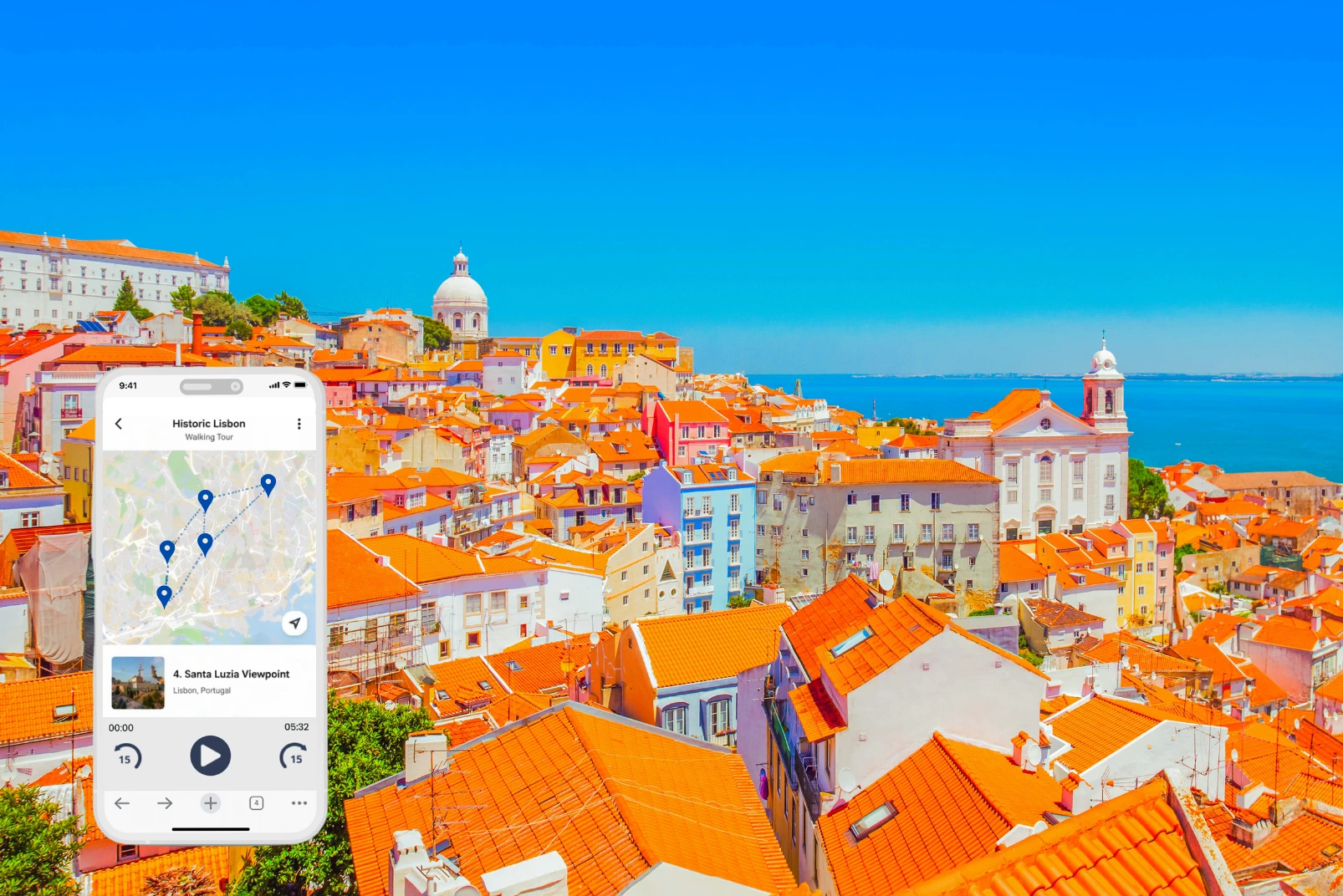
Destination weddings present a logistical challenge that scavenger hunts are particularly well-equipped to address: guests who have traveled to an unfamiliar location and may not know each other or the destination well. A GPS-powered scavenger hunt through the wedding location — a coastal town, a vineyard, a historic city — serves simultaneously as a social activity and an orientation experience, giving guests a structured way to explore the destination together before the formal events begin.
The challenge design for a destination wedding hunt should use the location’s specific geography and culture as its primary material. Questions about local history, photo missions at landscape features visible from the venue, navigation challenges that require teams to find specific landmarks — these anchor the experience in the destination rather than in generic team-building formats that could take place anywhere. Guests leave the activity with both new social connections and a more meaningful relationship to the place they have traveled to celebrate in.
TurfHunt’s offline capability is directly relevant for destination weddings in rural or coastal locations where cellular connectivity may be limited. Games downloaded before the activity begins run fully offline, with data synchronized when connectivity is restored — eliminating the logistical concern of a GPS-based activity in a remote location.
Wedding Anniversary Scavenger Hunts
Silver and Golden Anniversaries: History as Challenge Material
Milestone wedding anniversaries — twenty-fifth, fortieth, fiftieth — are occasions where the depth of shared history between the couple and their guests provides extraordinary raw material for scavenger hunt design. A hunt built around the couple’s five decades together, asking participants to recall specific years, places, decisions, and moments, transforms a celebration into an active engagement with a shared narrative.
Guests at a fiftieth anniversary celebration have their own histories with the couple — memories that predate the marriage, observations from different decades of the relationship, knowledge that complements rather than duplicates what other guests hold. Challenge sequences that draw on this distributed knowledge — where no single team has all the answers — create the conditions for genuine collaboration and collective memory-making.
Vow Renewal Celebrations
Vow renewal events often involve a smaller, more intimate guest list than the original wedding — close family and the longest-standing friendships. The scavenger hunt format at a vow renewal works well as a tribute to the original event: challenges that reference the wedding day itself, the years since, and the places and people that have defined the relationship create a retrospective experience that is celebratory rather than nostalgic.
A route that visits locations significant to the couple’s shared history — where they lived, where they worked, where significant events occurred — gives the hunt a biographical dimension that transforms the navigation task into a form of collective commemoration.
Platform Considerations: What to Look for in a Wedding Scavenger Hunt Tool
Wedding events have specific requirements that not all scavenger hunt platforms meet equally well. The guest list is often diverse in age and technological comfort, which means the app interface must be genuinely simple to use without explanation. The event cannot be disrupted by technical failures, which means offline capability is a meaningful consideration. And the organizer is typically managing multiple elements of the event simultaneously, which means the platform must run largely autonomously once launched.
TurfHunt by Locatify (turfhunt.locatify.com) addresses these requirements directly. The participant interface requires no account creation — teams join through a simple game code — and functions across iOS and Android without configuration. The organizer dashboard provides real-time visibility into all team progress, submission review, and score management from a single screen. And the platform’s offline mode ensures that a GPS-based hunt continues uninterrupted regardless of connectivity at the venue.
Conclusion
Wedding scavenger hunts are most valuable not as entertainment add-ons but as social architecture — a designed mechanism for creating connection across the diverse guest lists that weddings inevitably assemble. At every point in the wedding event calendar, from engagement party to golden anniversary, the format delivers something that passive programming cannot: active participation, cross-group interaction, and shared experience that outlasts the event itself.
The design principles that make wedding scavenger hunts work are consistent across occasions: personalize challenges to the couple’s specific history, compose teams to maximize cross-group mixing, and structure the arc to build toward a collective finale. The platform does the rest.