Museum and Cultural Scavenger Hunts: Deepen Art and History Connection
Museums hold centuries of human creativity, history, and cultural knowledge. Yet traditional museum experiences often disconnect visitors from this treasure. Visitors walk through galleries, read wall labels, and leave without genuine engagement. A cultural scavenger hunt transforms this passivity into active discovery.
When museum visitors engage in scavenger hunt activities, they become investigators of culture and history. A museum scavenger hunt guides visitors to specific artworks, artifacts, or historical documents, then asks them to observe closely, compare pieces, identify artistic techniques, or solve puzzles revealing deeper meaning. This active engagement creates emotional connection to objects and ideas that passive observation cannot achieve.
An art museum scavenger hunt works differently than a natural history museum scavenger hunt—each tailored to specific curatorial missions. Yet both share a fundamental principle: visitors learn more deeply and remember more vividly when they actively explore cultural content rather than passively receive it.
Understanding how to design and implement effective cultural scavenger hunt experiences matters for any museum seeking to increase visitor engagement, deepen learning, and strengthen community connection to cultural heritage.
Why Scavenger Hunts Work in Museums: The Psychology of Active Discovery
Research on museum learning consistently shows that visitors retain information longer and develop deeper understanding when they actively engage with content. A museum scavenger hunt activates this active learning principle directly.
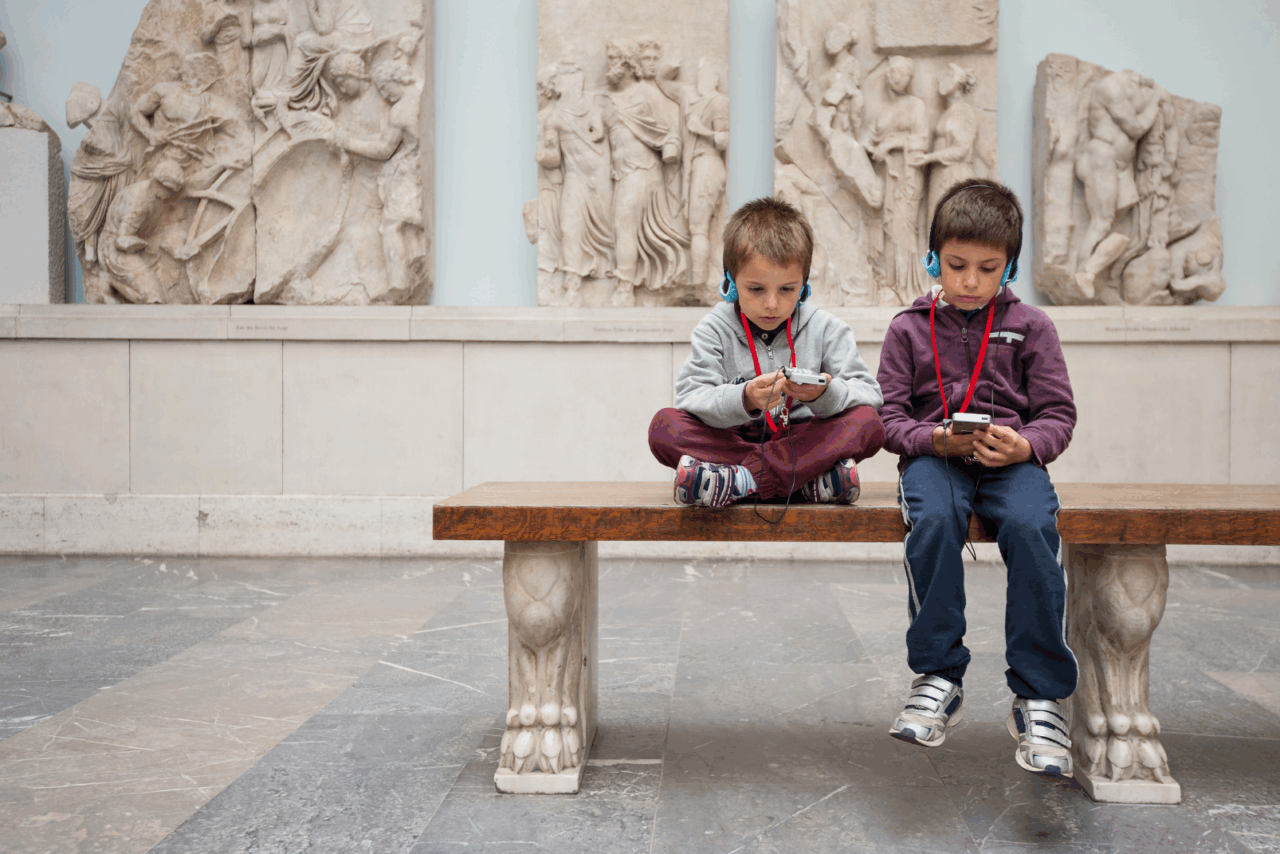
When visitors search for specific artworks or artifacts, they must navigate the space, observe carefully, and think about what they’re seeing. This cognitive engagement strengthens memory encoding. Unlike reading a wall label explaining artwork, searching for the artwork yourself creates personal discovery. That discovery—finding the piece yourself rather than having it presented to you—creates emotional engagement.
A cultural scavenger hunt also works because it provides structure within the vast experience of museums. Rather than feeling overwhelmed by thousands of objects, visitors focus on curated selections connected by themes or narratives. This focused exploration paradoxically enables deeper understanding than attempting to experience everything superficially.
The social element amplifies these benefits. Families and groups discussing clues, sharing observations, and collaborating to solve cultural puzzles develop richer understanding and create more vivid memories than individuals experiencing passively.
Designing Effective Museum and Cultural Scavenger Hunts
A basic museum scavenger hunt might ask visitors to find five specific artworks, photograph them, and record their observations. More sophisticated designs layer intellectual challenge. Visitors might need to observe artistic techniques—identifying color palettes, compositional choices, or symbolic elements—to solve puzzles unlocking clue locations.
The most effective cultural scavenger hunt designs connect disparate pieces through meaningful themes. Instead of asking visitors to find random objects, hunts might explore a curatorial concept: “Find artworks representing human resilience,” “Locate examples of technological innovation through history,” or “Search for objects revealing cultural exchange between civilizations.”
An art museum scavenger hunt requires different design than a natural history museum scavenger hunt. Art hunts might emphasize aesthetic observation and interpretation. History hunts might focus on evidence analysis and temporal understanding. Yet both require careful curatorial integration—every clue should reinforce genuine learning objectives, not feel arbitrary.
The best museum scavenger hunt designs balance accessibility with intellectual depth. Hunts should accommodate visitors without art historical training while offering sophisticated challenges for experts. Difficulty should increase progressively rather than remaining uniformly challenging.
Digital Tools Transform Museum Visitor Experiences
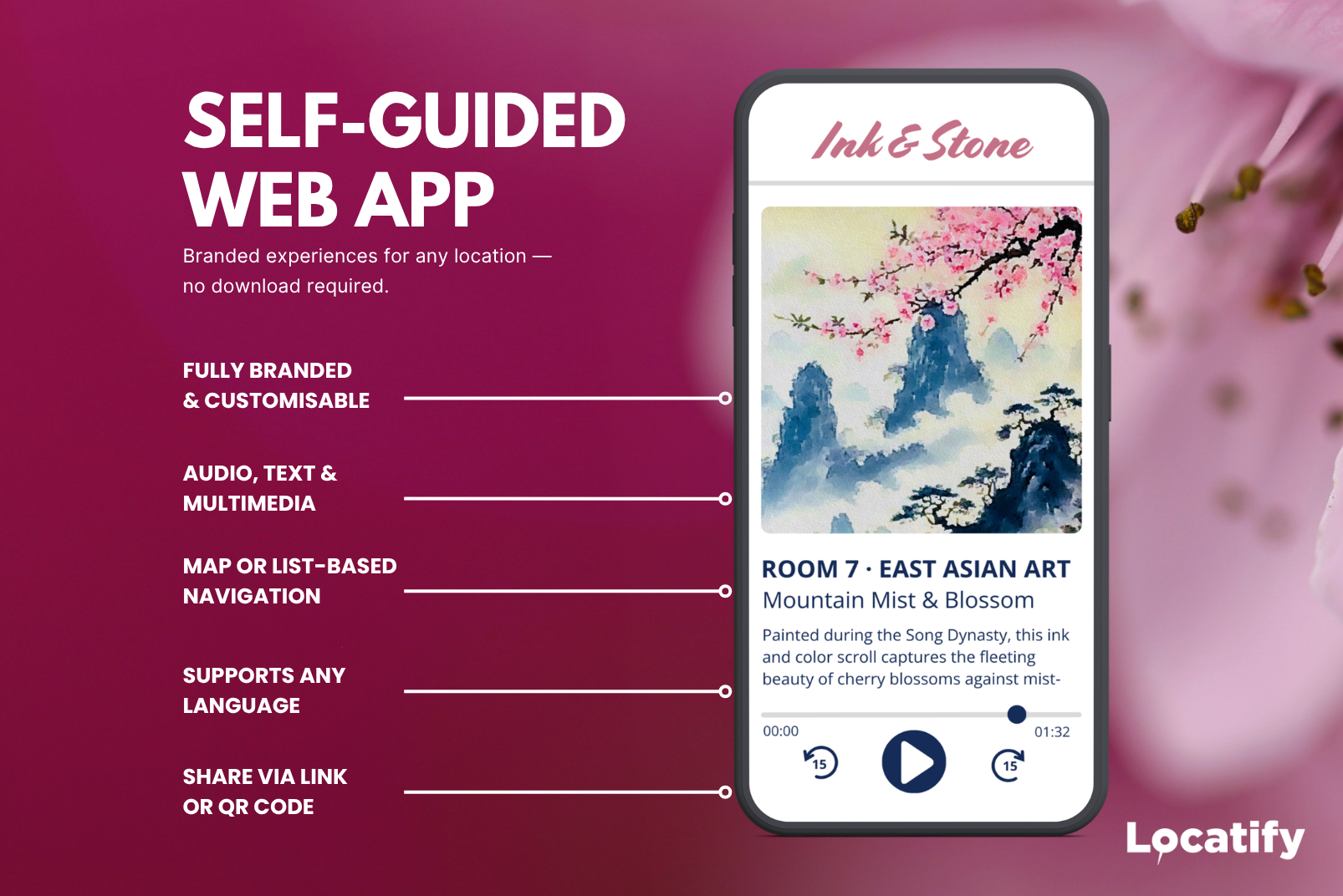
Modern native museum apps enable sophisticated scavenger hunt experiences. Location-based technology recognizes when visitors arrive at specific artworks and presents interactive content—artist biographies, historical context, or interpretive questions. Visitors can submit observations through photos, sketches, or written reflections captured within the app.
Museums can create tiered experiences. Casual visitors might enjoy recreational hunts focused on game mechanics and fun. School groups might use educational hunts reinforcing curriculum standards. Art historians might engage with sophisticated interpretive hunts exploring complex artistic concepts.
Real-time tracking allows museums to understand visitor flow, identify which artworks attract attention, and assess which interpretive approaches resonate most. Museums can use this data to refine exhibit design and improve interpretive content.
Technology works best when it enhances cultural learning rather than replacing the artwork with screen engagement. The goal is visitors looking at art, not staring at phones.
Real Success: How Museums Strengthen Cultural Connection
National Gallery of Iceland: Cultural Heritage Through Exploration
The National Gallery of Iceland implemented interactive scavenger hunt experiences helping visitors connect with Icelandic art and cultural heritage. By asking visitors to observe specific artworks, identify cultural themes, and interpret artistic choices, the museum deepened engagement with its collections. Visitors reported stronger emotional connections to artworks and better understanding of Icelandic cultural identity after participating in hunts.
The success demonstrates that cultural scavenger hunt approaches work because they transform museums from repositories of objects into spaces of genuine discovery and cultural dialogue.
Reykjavik Art Walk: Public Space as Cultural Exhibition
The Reykjavik Art Walk case study shows how museum scavenger hunt concepts extend beyond institutional walls. By creating guided experiences through public art installations and street art, the city transformed entire neighborhoods into cultural galleries. Visitors on the art walk explored urban spaces while discovering artworks they might otherwise overlook, deepening appreciation for public art and urban cultural geography.
Both case studies validate that when museums and cultural organizations use interactive scavenger hunt strategies thoughtfully, visitor engagement and cultural learning improve dramatically.
Types of Museum and Cultural Scavenger Hunts
An art museum scavenger hunt might explore artistic movements (“Find artworks showing impressionist techniques”), materials (“Locate sculptures in marble, bronze, and ceramic”), or cultural perspectives (“Search for artworks by women artists from different continents”). A natural history museum scavenger hunt might ask visitors to find evidence of adaptation, compare species specimens, or trace evolutionary relationships.
History museum hunts might guide visitors through specific time periods, explore how different cultures addressed similar challenges, or investigate how artifacts reveal daily life in past eras. Children’s museum hunts work differently—emphasizing interactive discovery, hands-on engagement, and playful learning rather than analytical depth.
The most engaging museum scavenger hunt experiences integrate curatorial expertise with game mechanics—serious content delivered through fun, interactive discovery.
Best Practices for Implementation
- Involve curators actively: Curators should design hunts to reinforce genuine curatorial interpretations and learning goals, not serve game mechanics.
- Create multiple difficulty levels: Design hunts accommodating different visitor sophistication. Casual visitors and expertise visitors should both feel appropriately challenged.
- Emphasize observation and interpretation: Ask visitors what they notice about artworks, what meanings they interpret, why objects matter—not just where they’re located.
- Provide context and background: Clues should offer historical context, biographical information, or cultural background helping visitors understand significance.
- Preserve contemplative experience: Hunts should encourage lingering at artworks, not rushing between locations. Allow time for genuine engagement.
- Include reflection opportunity: End hunts with discussion or reflection prompting visitors to articulate what they learned and how the experience changed their understanding.
Creating Your Museum Scavenger Hunt
Start with curatorial goals. What do you want visitors to understand about your collection or exhibitions? Design hunts around those learning objectives. Select artworks or artifacts deliberately—every piece should connect to themes or concepts you want to highlight.
Create clues encouraging observation and interpretation. Instead of “Find the Monet painting,” ask “Find an impressionist artwork and describe the artist’s technique for capturing light.” Design tiered challenge levels. Provide historical and cultural context. Test hunts with diverse visitors before launching.
How to design an effective cultural scavenger hunt requires understanding your collection, your audience, and what makes your institution’s curatorial mission special. The investment in thoughtful design pays enormous dividends in visitor engagement and cultural understanding.
Why This Matters
Museums serve essential cultural functions—preserving heritage, educating communities, fostering understanding across differences. Yet many struggle with visitor engagement and deepening learning. Museum scavenger hunt approaches offer proven strategies for transforming passive observation into active discovery.
When visitors engage actively with cultural content through thoughtfully designed hunts, they develop genuine understanding, emotional connection, and lasting appreciation for art, history, and culture. These outcomes serve museums’ core missions and strengthen community cultural life.
Conclusion
Museum and cultural scavenger hunts work because they activate human learning principles: curiosity-driven exploration, active engagement, social collaboration, and personal meaning-making. When museums create hunts inviting visitors to investigate, interpret, and discover cultural significance, deeper learning and connection result.
Whether you’re an art museum director seeking to deepen visitor engagement with collections, a history museum educator wanting to make content more interactive, or a cultural organization hoping to strengthen community connection to heritage, scavenger hunts offer powerful strategies. Thoughtfully designed and skillfully implemented, they transform museums into spaces of genuine discovery—and casual visitors into cultural advocates.
Ready to Transform Your Museum Experience?
Create engaging cultural experiences with interactive scavenger hunts. Get started with Locatify and explore native museum app solutions designed to deepen visitor engagement with art, history, and cultural heritage.
Discover how museums worldwide are using interactive experiences to strengthen cultural connection and transform how visitors experience art and history.