
Virtual Treasure Hunt Games for Remote Teams: Building Connection Across Distances
Remote work transformed how teams operate. According to McKinsey research, over 50% of employees work remotely at least one day per week. For many organizations, hybrid and distributed work is permanent. Yet the shift created an unintended consequence: reduced informal interaction, weakened relationships, and organizational culture that erodes when employees don’t share physical space. Traditional team building—where everyone gathers in a conference room or offsite location—became logistically impossible for distributed teams across multiple time zones.
Virtual treasure hunt games emerged as a solution specifically designed for this challenge. Unlike generic virtual activities or asynchronous communication tools, virtual treasure hunts activate the same psychological and social dynamics that make in-person treasure hunts effective. Teams solve puzzles together in real time. Distributed employees work toward shared objectives despite geographic separation. The activity creates genuine connection—not forced interaction, but purposeful collaboration that translates into stronger working relationships. Organizations implementing well-designed virtual treasure hunts report higher engagement, improved cross-team understanding, and measurably stronger bonds among distributed team members.
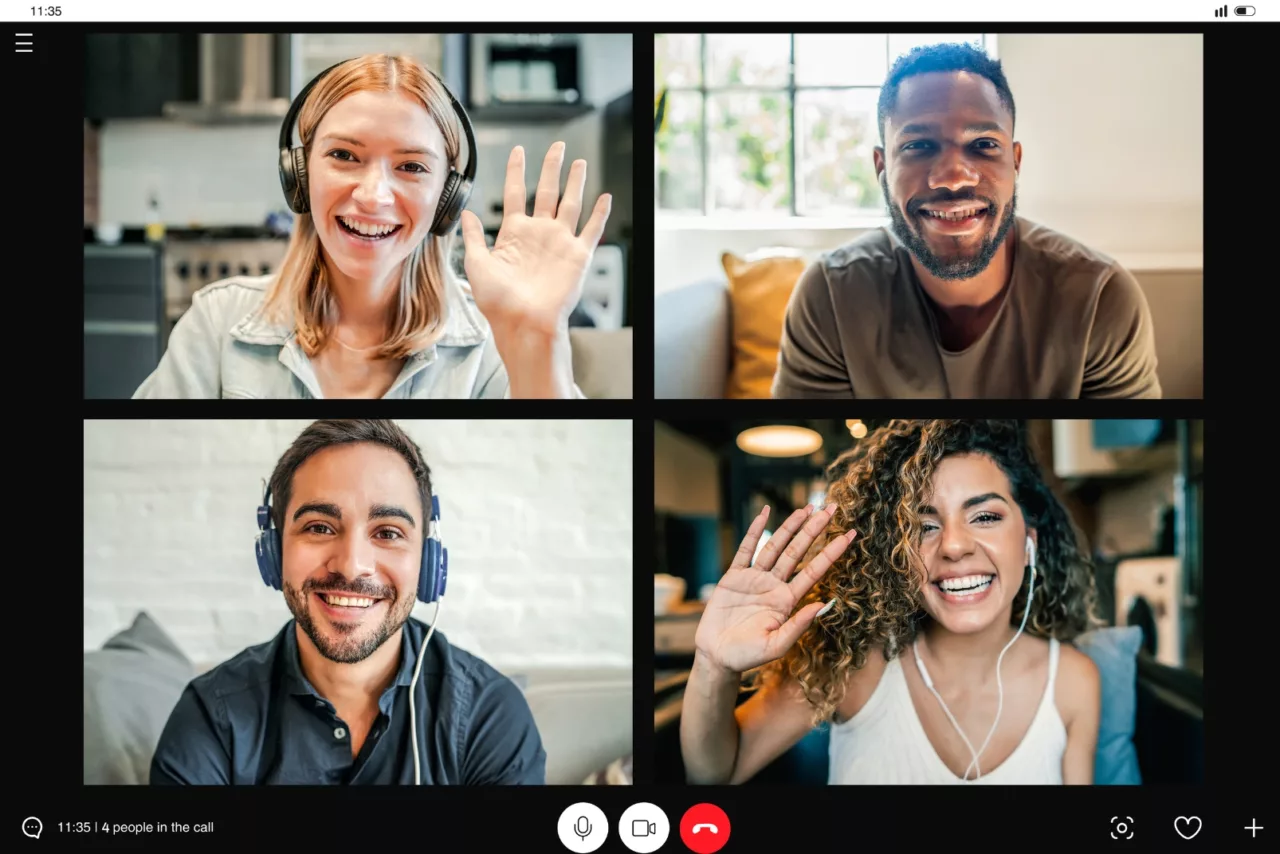
The Remote Work Challenge: Why Virtual Team Building Matters
The statistics are clear about the reality of remote work. A Future Workplace study found that employees with few workplace friends report higher loneliness and disengagement. Over 70% of employees identify workplace friendships as crucial to job satisfaction. Yet in remote environments, these relationships don’t form naturally. Colleagues communicate primarily through email, Slack, or scheduled video calls. The incidental interactions—hallway conversations, casual lunches, informal collaboration—that build strong workplace relationships simply don’t happen.
The business impact is measurable. Gallup research demonstrates that isolated employees show 21% lower productivity. McKinsey found 43% of employees worry about reduced collaboration in remote settings. Organizations struggle when teams work in silos, when departments don’t understand each other’s work, when new hires feel disconnected from company culture. Traditional team building solutions—flying everyone to an offsite location—became impractical for distributed workforces. Yet the need for genuine team connection became more urgent, not less.
This is where virtual treasure hunts address a specific organizational need. They create structured opportunities for distributed employees to collaborate, communicate, and build relationships despite geographic separation. The activity occurs in real time so synchronous connection happens. The game mechanics ensure participation from everyone, not just the most vocal team members. Most importantly, the shared challenge and achievement create emotional memories that strengthen workplace bonds.
How Virtual Treasure Hunts Work: Platform Selection and Mechanics
Virtual treasure hunts operate through familiar video conferencing platforms. Most organizations use Zoom, Microsoft Teams, or Google Meet—tools already integrated into their workflows. The advantage is significant: no new software adoption, no learning curve, no technical barriers. The hunt coordinator shares their screen and calls out items for teams to find. Alternatively, team members submit photos or videos showing completed challenges. Most virtual hunts follow this proven structure: assemble teams in breakout rooms or separate calls, distribute a challenge list, set a time limit (typically 20-30 minutes), and have teams submit proof of completion via photos or videos.
The effectiveness comes from deliberate design. Rather than asking employees to simply find items from their homes—a premise that lacks connection—sophisticated virtual treasure hunts create challenges requiring collaboration and problem-solving. “Find something from nature in your home and explain what it teaches us about resilience.” “Take a photo of your team’s favorite snack and tell us why it represents your team culture.” “Record a 30-second video of your team performing your company’s value statement.” These approaches require discussion within the team, not just individual item collection.
The video submission element amplifies engagement. When teams must film themselves or create video submissions, they become invested in the quality and creativity of their contribution. The shared viewing of submissions afterward creates group entertainment and allows teammates to see each other in non-work contexts—seeing someone’s living room, meeting their pets, hearing their voice in relaxed settings creates humanization that typical work video calls don’t accomplish.
Synchronous Versus Asynchronous Virtual Hunts: Choosing the Right Format
Virtual treasure hunts operate in two distinct formats, each suited to different organizational needs. Synchronous hunts happen in real time with all participants present. A facilitator sets challenges, teams work together in breakout rooms or separate calls, and everyone submits within a set timeframe. The advantage is energy and immediate feedback. Teams experience the excitement of racing against a timer. Facilitators can provide hints if teams get stuck. The debrief and winner announcement create celebratory moments that strengthen team bonds.
Asynchronous hunts run over hours or days. Teams receive a challenge list and deadline but participate on their own schedule. This format addresses the core challenge of distributed global teams—time zones make simultaneous participation impractical. An employee in Singapore can participate when it suits their schedule. A team member in London completes challenges at a different time. The asynchronous format requires more careful design since facilitators can’t provide real-time support, but it enables broader participation.
Most organizations implement hybrid approaches. A synchronous team-building session uses breakout rooms and real-time challenges for core working teams. Asynchronous elements allow individual contributors or remote locations to participate on their own schedule. Scoring might weight synchronous participation differently than asynchronous completion. The flexibility accommodates modern workforce realities while maintaining the collaborative spirit that makes virtual hunts effective.
Whichever format you choose, the key principle remains: create challenges that require genuine interaction and collaboration, not just individual item collection. The game mechanics should force teams to discuss, decide together, and create something representing collective effort.
Designing Challenges for Remote Environments: Practical Considerations
Effective virtual treasure hunt challenges balance accessibility with engagement. Remember that participants are in home environments, not controlled office spaces. A challenge asking for “your company’s annual report” assumes everyone has office documents at home. A challenge asking for “something that represents your professional values” is inclusive and allows diverse interpretation. The second approach works because any employee can find something meaningful to their home that connects with the prompt.
Challenge quality determines whether participants feel engaged or annoyed. Vague prompts like “find something interesting” frustrate because participants don’t know if their selection meets criteria. Specific prompts with clear expectations work better: “Find an object in your home that you’ve owned for at least five years and explain its significance.” The specificity guides participation while remaining inclusive.
Photography quality matters for video submission hunts. Expecting professional-quality production frustrates people. Accepting smartphone photos or casual videos removes barriers to participation. The point is capturing authentic team moments, not producing broadcast-quality content. Teams dressed casually, speaking informally, showing their real environments—this authenticity creates connection far more effectively than polished productions.
Time allocation requires attention too. A 20-30 minute hunt including challenge completion and submission works well for synchronous formats. Asynchronous hunts spanning multiple hours or a day should account for varying work schedules and time zones. Building in buffer time prevents stress. The goal is engagement and connection, not rushed completion that creates frustration.

The Business Impact: Remote Team Engagement Metrics
Organizations implementing virtual treasure hunts report measurable impact on distributed team dynamics. Research shows virtual team-building activities cost 75% less than in-person events while delivering comparable or higher engagement outcomes. For organizations managing remote teams across multiple locations, the cost efficiency alone justifies implementation. A synchronous virtual hunt costs hundreds of dollars. An equivalent in-person offsite costs tens of thousands.
More importantly, engagement metrics shift post-activity. Employees report higher psychological connection to distributed teammates. Cross-team understanding improves when people interact beyond their immediate department. Company culture becomes tangible and shared when remote employees participate in organized cultural activities. Post-event surveys consistently show 60-75% of participants report strengthened workplace relationships and higher engagement with distributed colleagues.
The retention impact proves particularly valuable. Organizations investing in distributed team engagement see measurably better retention for remote employees. Research indicates that remote workers with strong team connections show 20-30% lower turnover compared to isolated remote workers. For organizations where remote talent acquisition is competitive and costly, relationship investments that reduce turnover generate clear financial returns.
Collaboration metrics shift measurably too. Teams that participate in structured bonding activities interact more naturally in project work afterward. Cross-functional collaboration improves. Communication barriers lower. Decision-making accelerates. These benefits extend weeks and months beyond the actual activity, making the return on investment substantial.
Implementation Best Practices for Virtual Treasure Hunts
Communicate clearly about format and expectations. Describe the hunt mechanics, technology platform, time commitment, and what successful participation looks like. Clarify participation expectations so remote employees understand whether attendance is optional or required.
Test technology beforehand. Verify breakout room functionality, screen sharing, file submission processes. Have technical support available during the hunt in case someone experiences platform issues.
Account for time zone differences. Schedule synchronous hunts at times accessible to most participants, or implement asynchronous formats for global teams. Offer recording for participants in significantly different time zones.
Design inclusive challenges. Ensure challenges don’t assume specific living situations, family structures, or access to particular resources. Make challenges achievable from home environments without requiring special materials.
Build team dynamics intentionally. Mix departments, experience levels, and physical locations on teams. Assign roles emphasizing different strengths so everyone contributes meaningfully.
Prioritize the debrief. After submission phases, allow time for sharing, celebration, and discussion. This 10-15 minute conversation transforms the activity from a game into a team building intervention.
Virtual Hunts as Culture Bridge: Maintaining Connection Across Distance
The deeper value of virtual treasure hunts lies in their role as cultural connectors. Organizations with distributed teams often struggle to maintain cohesive culture. Policy documents and values statements help, but authentic culture emerges from shared experiences and genuine relationships. Virtual hunts create these shared experiences. Every team member participates in the same activity during the same timeframe. The collaborative challenge activates the same group dynamics that happen in-person.
This matters particularly for new employees onboarding into distributed teams. An onboarded remote employee who participates in a company treasure hunt meets colleagues in a low-pressure, fun context. They understand company culture not through onboarding documents but through shared experience. They form initial workplace relationships through collaborative challenges, not through formal introductions.
For organizations combining remote and in-person employees, virtual hunts level the playing field. In-office employees don’t have an inherent advantage in relationship building. Everyone participates from similar contexts. The equity matters psychologically—distributed employees feel equally valued and included when team activities accommodate their circumstances.
Conclusion: Virtual Hunts as Strategic Engagement Tools
Virtual treasure hunt games address a genuine organizational challenge: maintaining culture, relationships, and engagement in distributed work environments. When designed thoughtfully—with clear challenges, inclusive participation mechanisms, platform considerations, and intentional team composition—these activities create measurable impact on team dynamics and employee engagement. The cost efficiency, accessibility across time zones and locations, and proven engagement outcomes make virtual hunts a practical tool for any organization managing remote or hybrid teams. As distributed work remains a permanent organizational reality, strategic investments in virtual team building become increasingly important for culture maintenance and employee retention.
Whether your team works remotely, in-person, or in a hybrid model, strategic treasure hunt activities strengthen culture and engagement. Discover how to apply these virtual strategies to your distributed team, or explore how the same principles translate to office-based team building through creative in-person scavenger hunt solutions (https://locatify.com/office-scavenger-hunt-activities-creative-team-building-solutions-for-in-person-teams/).